Buy unternehmensverkauf.eu ?
We are moving the project
unternehmensverkauf.eu .
Are you interested in purchasing the domain
unternehmensverkauf.eu ?
domain@kv-gmbh.de · 0541-91531010
Buy unternehmensverkauf.eu ?
How can the terms anti-Bolshevism, anti-parliamentarism, and anti-Marxism be defined?
Anti-Bolshevism refers to opposition or hostility towards the Bolshevik ideology, which was the basis of the Russian Communist Party and the Soviet Union. Anti-parliamentarism is the rejection of the parliamentary system of government, often advocating for alternative forms of governance such as direct democracy or authoritarian rule. Anti-Marxism involves opposition to the political and economic theories of Karl Marx, particularly his ideas about class struggle and the eventual establishment of a communist society. These terms are often associated with political movements and ideologies that oppose communism, liberal democracy, and Marxist economic principles. **
What are some anti-Bayern (anti-Bavarian) sayings?
Some anti-Bayern (anti-Bavarian) sayings include "Bayern über alles" (Bavaria above all), which is a play on the German national anthem "Deutschland über alles" (Germany above all), suggesting that Bavarians prioritize their own region over the rest of Germany. Another saying is "Bayern ist nicht Deutschland" (Bavaria is not Germany), which reflects the sentiment of some non-Bavarians who feel that Bavaria is culturally distinct from the rest of Germany. Additionally, there are jokes and stereotypes about Bavarians being overly traditional, conservative, and insular, which can be expressed through sayings and humor. **
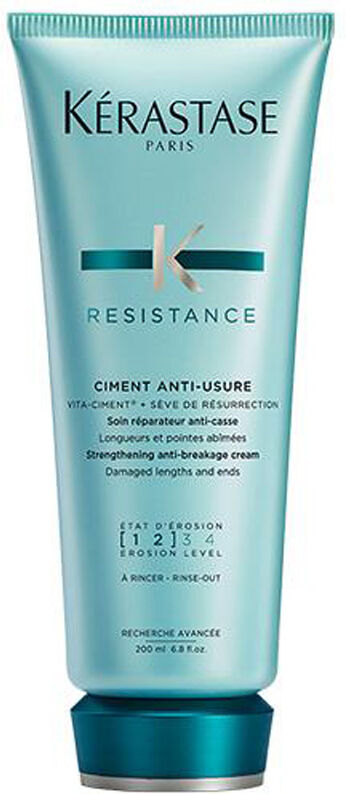

Similar search terms for Kérastase-Resistance-Ciment-Anti-Usure
Top-Angebote
Products related to Kérastase-Resistance-Ciment-Anti-Usure:
-
Kérastase Resistance Ciment Anti-Usure 200ml DoubleKérastase Ciment Anti-Usure is a repairing, anti-breakage conditioner specifically for weakened, damaged hair that is prone to splitting and breaking. Key Ingredients: Pro-Keratin - A strengthening protein to mimic natural keratin for stronger, healthier hair Ceramide - To strengthen hair fibre from the inside out Developed with Vita-Ciment®, the strengthening conditioner reinforces each hair fibre from the inside out for healthier, smooth result that's full of shine! Erosion Levels: 1-2 Ingredients: AQUA / WATER / EAU • BEHENTRIMONIUM CHLORIDE • CETEARYL ALCOHOL • PEG-180 • CETYL ESTERS • ISONONYL ISONONANOATE • ELAEIS GUINEENSIS OIL / PALM OIL • ISOPROPYL ALCOHOL • PHENOXYETHANOL • HYDROXYETHYLCELLULOSE • 2-OLEAMIDO-1,3-OCTADECANEDIOL • CHLORHEXIDINE DIGLUCONATE • AMYL CINNAMAL • HEXYL CINNAMAL • BENZYL ALCOHOL • LINALOOL • HYDROXYCITRONELLAL • CITRONELLOL • GLYCERIN • CITRIC ACID • TREHALOSE • TAMARINDUS INDICA SEED POLYSACCHARIDE • CI 19140 / YELLOW 5 • CI 42090 / BLUE 1 • MYROTHAMNUS FLABELLIFOLIA LEAF EXTRACT • DISODIUM PHOSPHATE • PARFUM / FRAGRANCE49,00 £*Shipping: 0,00 £Secure redirect to the provider

-
Are sunglasses from the drugstore anti-glare and anti-reflective?
Sunglasses from the drugstore may or may not be anti-glare and anti-reflective. It depends on the specific brand and type of sunglasses. Some drugstore sunglasses are designed with anti-glare and anti-reflective coatings to reduce glare and reflections, while others may not have these features. It's important to check the product description or packaging to see if the sunglasses offer these benefits. **
-
What is the difference between resistance and specific resistance?
Resistance is the opposition to the flow of electric current in a material, measured in ohms. It is a property of the material itself. Specific resistance, also known as resistivity, is a material property that quantifies how strongly a material opposes the flow of electric current. It is a characteristic of the material's composition and is used to calculate the resistance of a specific shape and size of material. **
-
What is the difference between electrical resistance and specific resistance?
Electrical resistance is the opposition to the flow of electric current in a material, measured in ohms. It is a property of the material itself and is dependent on factors such as the material's dimensions and temperature. Specific resistance, on the other hand, is a material property that quantifies how much a material resists the flow of electric current compared to a standard material. It is also known as resistivity and is measured in ohm-meters. In essence, electrical resistance is the overall resistance of a material, while specific resistance is a more intrinsic property of the material itself. **
-
What are the tolerances for resistance chains and resistance cubes?
The tolerances for resistance chains and resistance cubes typically vary depending on the manufacturer and the specific product. However, in general, resistance chains and cubes are designed to have tight tolerances to ensure accurate and consistent resistance levels for users. It is common for resistance chains and cubes to have tolerances within a few percentage points to maintain their effectiveness and reliability during workouts. It is recommended to refer to the product specifications provided by the manufacturer for more detailed information on the tolerances of specific resistance chains and cubes. **
How do I calculate the resistance with the internal resistance?
To calculate the total resistance with the internal resistance, you can use the formula: R_total = R_internal + R_external, where R_total is the total resistance, R_internal is the internal resistance, and R_external is the external resistance. This formula takes into account the resistance from both the internal and external components of the circuit. By adding the internal and external resistances together, you can determine the total resistance in the circuit. **
What is the difference between insulation resistance and surface resistance?
Insulation resistance measures the resistance to the flow of current through the insulation material between two conductors, while surface resistance measures the resistance to the flow of current across the surface of a material. Insulation resistance is typically used to assess the effectiveness of insulation materials in preventing current leakage, while surface resistance is used to evaluate the cleanliness and conductivity of surfaces in electronic and electrical applications. In summary, insulation resistance measures the resistance through a material, while surface resistance measures the resistance across a material's surface. **
Top-Angebote
Products related to Kérastase-Resistance-Ciment-Anti-Usure:
-
Kérastase Resistance Ciment Anti-Usure 200mlKérastase Ciment Anti-Usure is a repairing, anti-breakage conditioner specifically for weakened, damaged hair that is prone to splitting and breaking. Key Ingredients: Pro-Keratin - A strengthening protein to mimic natural keratin for stronger, healthier hair Ceramide - To strengthen hair fibre from the inside out Developed with Vita-Ciment®, the strengthening conditioner reinforces each hair fibre from the inside out for healthier, smooth result that's full of shine! Erosion Levels: 1-2 Ingredients: AQUA / WATER / EAU • BEHENTRIMONIUM CHLORIDE • CETEARYL ALCOHOL • PEG-180 • CETYL ESTERS • ISONONYL ISONONANOATE • ELAEIS GUINEENSIS OIL / PALM OIL • ISOPROPYL ALCOHOL • PHENOXYETHANOL • HYDROXYETHYLCELLULOSE • 2-OLEAMIDO-1,3-OCTADECANEDIOL • CHLORHEXIDINE DIGLUCONATE • AMYL CINNAMAL • HEXYL CINNAMAL • BENZYL ALCOHOL • LINALOOL • HYDROXYCITRONELLAL • CITRONELLOL • GLYCERIN • CITRIC ACID • TREHALOSE • TAMARINDUS INDICA SEED POLYSACCHARIDE • CI 19140 / YELLOW 5 • CI 42090 / BLUE 1 • MYROTHAMNUS FLABELLIFOLIA LEAF EXTRACT • DISODIUM PHOSPHATE • PARFUM / FRAGRANCE28,00 £*Shipping: 0,00 £Secure redirect to the provider
-
Kérastase Resistance Ciment Anti-Usure 200ml DoubleKérastase Ciment Anti-Usure is a repairing, anti-breakage conditioner specifically for weakened, damaged hair that is prone to splitting and breaking. Key Ingredients: Pro-Keratin - A strengthening protein to mimic natural keratin for stronger, healthier hair Ceramide - To strengthen hair fibre from the inside out Developed with Vita-Ciment®, the strengthening conditioner reinforces each hair fibre from the inside out for healthier, smooth result that's full of shine! Erosion Levels: 1-2 Ingredients: AQUA / WATER / EAU • BEHENTRIMONIUM CHLORIDE • CETEARYL ALCOHOL • PEG-180 • CETYL ESTERS • ISONONYL ISONONANOATE • ELAEIS GUINEENSIS OIL / PALM OIL • ISOPROPYL ALCOHOL • PHENOXYETHANOL • HYDROXYETHYLCELLULOSE • 2-OLEAMIDO-1,3-OCTADECANEDIOL • CHLORHEXIDINE DIGLUCONATE • AMYL CINNAMAL • HEXYL CINNAMAL • BENZYL ALCOHOL • LINALOOL • HYDROXYCITRONELLAL • CITRONELLOL • GLYCERIN • CITRIC ACID • TREHALOSE • TAMARINDUS INDICA SEED POLYSACCHARIDE • CI 19140 / YELLOW 5 • CI 42090 / BLUE 1 • MYROTHAMNUS FLABELLIFOLIA LEAF EXTRACT • DISODIUM PHOSPHATE • PARFUM / FRAGRANCE52,50 £*Shipping: 0,00 £Secure redirect to the provider
-
Kérastase Resistance Ciment Anti-Usure 200ml DoubleKérastase Ciment Anti-Usure is a repairing, anti-breakage conditioner specifically for weakened, damaged hair that is prone to splitting and breaking. Key Ingredients: Pro-Keratin - A strengthening protein to mimic natural keratin for stronger, healthier hair Ceramide - To strengthen hair fibre from the inside out Developed with Vita-Ciment®, the strengthening conditioner reinforces each hair fibre from the inside out for healthier, smooth result that's full of shine! Erosion Levels: 1-2 Ingredients: AQUA / WATER / EAU • BEHENTRIMONIUM CHLORIDE • CETEARYL ALCOHOL • PEG-180 • CETYL ESTERS • ISONONYL ISONONANOATE • ELAEIS GUINEENSIS OIL / PALM OIL • ISOPROPYL ALCOHOL • PHENOXYETHANOL • HYDROXYETHYLCELLULOSE • 2-OLEAMIDO-1,3-OCTADECANEDIOL • CHLORHEXIDINE DIGLUCONATE • AMYL CINNAMAL • HEXYL CINNAMAL • BENZYL ALCOHOL • LINALOOL • HYDROXYCITRONELLAL • CITRONELLOL • GLYCERIN • CITRIC ACID • TREHALOSE • TAMARINDUS INDICA SEED POLYSACCHARIDE • CI 19140 / YELLOW 5 • CI 42090 / BLUE 1 • MYROTHAMNUS FLABELLIFOLIA LEAF EXTRACT • DISODIUM PHOSPHATE • PARFUM / FRAGRANCE49,00 £*Shipping: 0,00 £Secure redirect to the provider
-
How can the terms anti-Bolshevism, anti-parliamentarism, and anti-Marxism be defined?
Anti-Bolshevism refers to opposition or hostility towards the Bolshevik ideology, which was the basis of the Russian Communist Party and the Soviet Union. Anti-parliamentarism is the rejection of the parliamentary system of government, often advocating for alternative forms of governance such as direct democracy or authoritarian rule. Anti-Marxism involves opposition to the political and economic theories of Karl Marx, particularly his ideas about class struggle and the eventual establishment of a communist society. These terms are often associated with political movements and ideologies that oppose communism, liberal democracy, and Marxist economic principles. **
-
What are some anti-Bayern (anti-Bavarian) sayings?
Some anti-Bayern (anti-Bavarian) sayings include "Bayern über alles" (Bavaria above all), which is a play on the German national anthem "Deutschland über alles" (Germany above all), suggesting that Bavarians prioritize their own region over the rest of Germany. Another saying is "Bayern ist nicht Deutschland" (Bavaria is not Germany), which reflects the sentiment of some non-Bavarians who feel that Bavaria is culturally distinct from the rest of Germany. Additionally, there are jokes and stereotypes about Bavarians being overly traditional, conservative, and insular, which can be expressed through sayings and humor. **
-
Are sunglasses from the drugstore anti-glare and anti-reflective?
Sunglasses from the drugstore may or may not be anti-glare and anti-reflective. It depends on the specific brand and type of sunglasses. Some drugstore sunglasses are designed with anti-glare and anti-reflective coatings to reduce glare and reflections, while others may not have these features. It's important to check the product description or packaging to see if the sunglasses offer these benefits. **
-
What is the difference between resistance and specific resistance?
Resistance is the opposition to the flow of electric current in a material, measured in ohms. It is a property of the material itself. Specific resistance, also known as resistivity, is a material property that quantifies how strongly a material opposes the flow of electric current. It is a characteristic of the material's composition and is used to calculate the resistance of a specific shape and size of material. **
Similar search terms for Kérastase-Resistance-Ciment-Anti-Usure
-
What is the difference between electrical resistance and specific resistance?
Electrical resistance is the opposition to the flow of electric current in a material, measured in ohms. It is a property of the material itself and is dependent on factors such as the material's dimensions and temperature. Specific resistance, on the other hand, is a material property that quantifies how much a material resists the flow of electric current compared to a standard material. It is also known as resistivity and is measured in ohm-meters. In essence, electrical resistance is the overall resistance of a material, while specific resistance is a more intrinsic property of the material itself. **
-
What are the tolerances for resistance chains and resistance cubes?
The tolerances for resistance chains and resistance cubes typically vary depending on the manufacturer and the specific product. However, in general, resistance chains and cubes are designed to have tight tolerances to ensure accurate and consistent resistance levels for users. It is common for resistance chains and cubes to have tolerances within a few percentage points to maintain their effectiveness and reliability during workouts. It is recommended to refer to the product specifications provided by the manufacturer for more detailed information on the tolerances of specific resistance chains and cubes. **
-
How do I calculate the resistance with the internal resistance?
To calculate the total resistance with the internal resistance, you can use the formula: R_total = R_internal + R_external, where R_total is the total resistance, R_internal is the internal resistance, and R_external is the external resistance. This formula takes into account the resistance from both the internal and external components of the circuit. By adding the internal and external resistances together, you can determine the total resistance in the circuit. **
-
What is the difference between insulation resistance and surface resistance?
Insulation resistance measures the resistance to the flow of current through the insulation material between two conductors, while surface resistance measures the resistance to the flow of current across the surface of a material. Insulation resistance is typically used to assess the effectiveness of insulation materials in preventing current leakage, while surface resistance is used to evaluate the cleanliness and conductivity of surfaces in electronic and electrical applications. In summary, insulation resistance measures the resistance through a material, while surface resistance measures the resistance across a material's surface. **
* All prices are inclusive of VAT and, if applicable, plus shipping costs. The offer information is based on the details provided by the respective shop and is updated through automated processes. Real-time updates do not occur, so deviations can occur in individual cases. ** Note: Parts of this content were created by AI.